Showing posts with label Minimalist. Show all posts

EDC - Every Day Carry / My Tenkara Minimalist Kit

Fall, 2021, the simple two parts of my tenkara kit.

My current version of my minimalist tenkara kit has quite a history behind it. I've been working on a minimalist kit, ever since I've found out about tenkara ten plus year ago. I am not going to go too much into depth about what you need: you obviously don't need a lot of anything if you know what you want. I want a fishing kit that I can carry, every day and it not be invasive to my daily life. I also want a kit that is very effective in what it was designed for, modern Japanese fly fishing, tenkara.

I have written about my kit in the past, the development of it and I can say this, I designed and used one for a solid year before taking it on a two week trip to Japan. I was travelling all over Tokyo then travelling within the country. I didn't want a kit that was separate from my luggage, I wanted one that could go inside of my two backpacks that I was carrying. I used that kit on a pretty intense genryu fishing trip. My hosts, many tenkara experts had an understanding of the Pocket Mini but probably had no need for one as they were in their everyday element and didn't need to carry compact equipment from half way across the globe. I had designed lines that balanced the cast and upon handing them the rod, I received all kinds of compliments on the compactness and usability. After a while, it just was not mentioned, the kit embodies tenkara minimalism and they work so well.

Nissin designs the rods that I choose, the Pocket Mini V3 and the Tenkara Mini (I choose the 3.6m.) If I am targeting a stream known to be tight, I will grab the Pocket Mini V3 2.7m and stuff it inside of the Tenkara Mini case. The Pocket Mini V3 is an exceptional rod that I have bought, used and sold thinking that I didn't need it any longer and sorely missed it for my minimalist kit and ended up buying it again.

I could actually make the kit substantially smaller by choosing a 2.7m Pocket Mini but, I often use the kit as a sort of calling card to introduce tenkara, the Pocket Mini looks like a toy (which it is) but it really doesn't have the look of a serious fishing rod (which it is) if I am showing someone new to tenkara equipment 30 stories up or at a nice restaurant or somewhere no one would have their fishing kit along.

I've been able to introduce tenkara effectively to people by pulling out the rod and extending it and handing it to someone at the office where normally, I would have to pull out my phone and try to describe it. There is nothing like pulling out my fishing equipment out of my bag and showing them the different elements. The Tenkara Mini is impressive as I pull it out, so small and petite. I can pull the 20 sections out for effect or pull it taught in a couple of big pulls. It is a rod of incredible engineering and the people that I hand it to are nothing less than impressed. 

It's a great calling card for sure.

In the years that I have carried my kit on my travels, I have had several opportunities arise where I would normally not have had my equipment. Trips to lakes, under bridges on streams and in city streams too. It is a great excitement to realize that YES! I can fish when normally, I would have to just look at the water and turn it off...
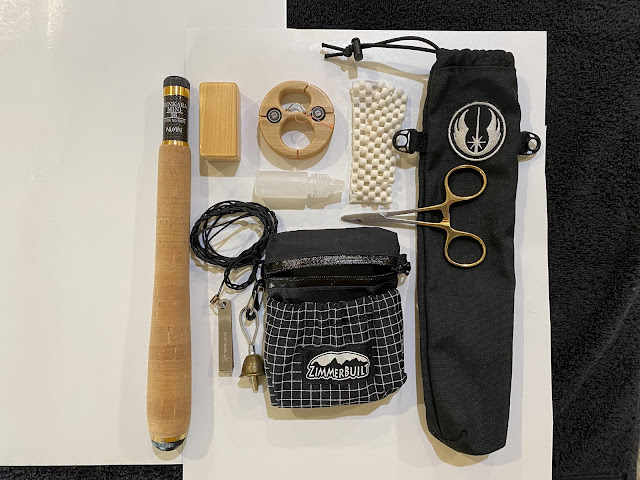
My minimalist kit laid out, it goes into my Every Day Carry bag.
Contents
  1. Nissin Tenkara Mini 3.6m
  2. Rod Grippers
  3. 4" Derf Needle Driver
  4. Mini Bear Bell on a quick link
  5. Micro Dropper Bottle of floatant
  6. Kazuo Kurahashi made Kebari Box and Spool
  7. Snow Peak line cutter
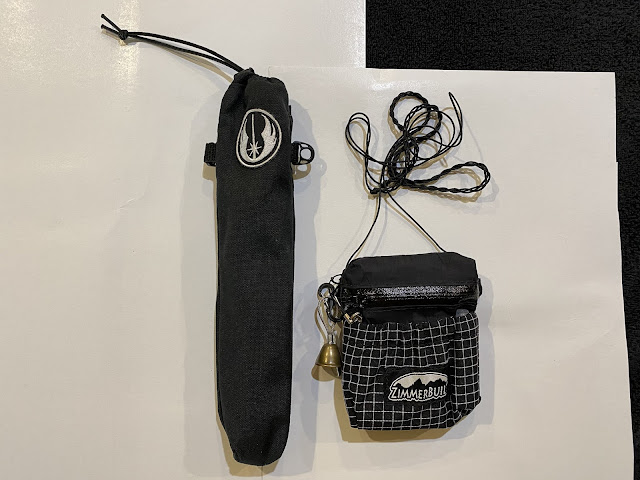
  8. Zimmerbuilt custom made Micro Pack and Rod Bag
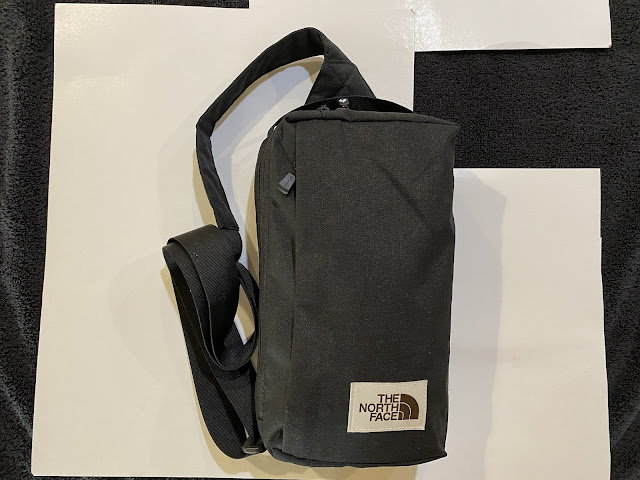
My EDC kit, I carry it everywhere, all the time.

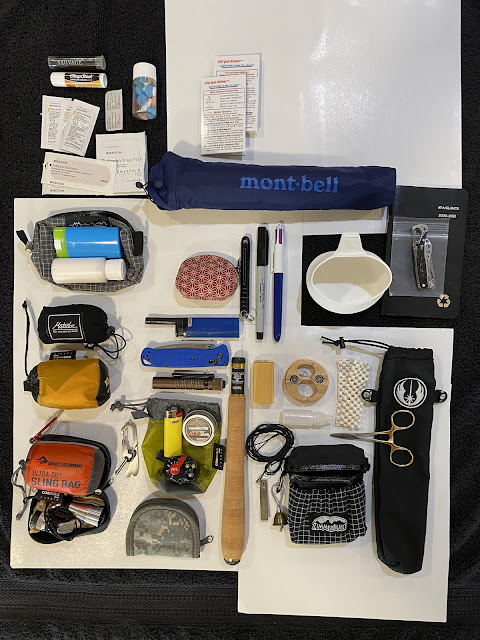
Contents of my EDC kit. I carry this everywhere.
Contents
  1. North Face Field Bag
  2. Mountain Laurel Design Small Packing Cube
  3. Alcohol Wipes
  4. Triple Antibiotic
  5. Sunscreen
  6. Bandaid
  7. Chapstick
  8. Cologne
  9. Medicine
  10. Kenwood THF6 Tri-Band Radio Cheat Cards
  11. Mont-Bell Trekking Umbrella
  12. Matador Pocket Blanket Mini
  13. Sea to Summit Ultra Sil Backpack
  14. Sea to Summit Sling Bag
  15. Tasco Monocular
  16. Small Zippered Pouch of Crystals
  17. Pens
  18. Bic Lighter
  19. Flashlight
  20. Sea to Summit Micro Stuff Sack
  21. Bic Mini
  22. Petzl Micro Headlight
  23. Mini Survival Candle
  24. Sewing Kit
  25. Fold-a-Cup
  26. Leatherman Tool
  27. At-A-Glance Monthly Planner

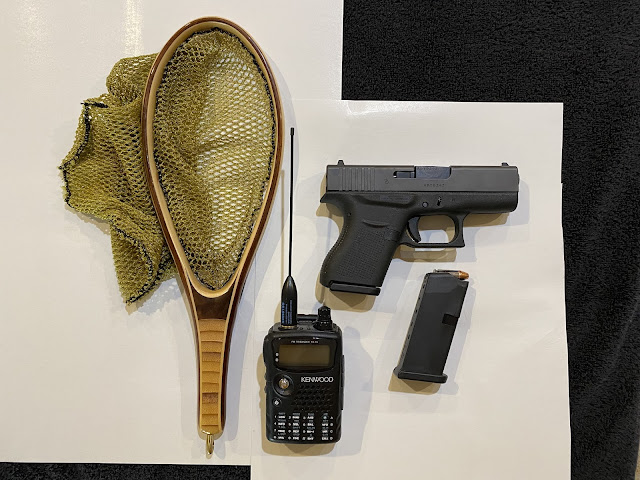
Depending on the mission, I will add in these elements.

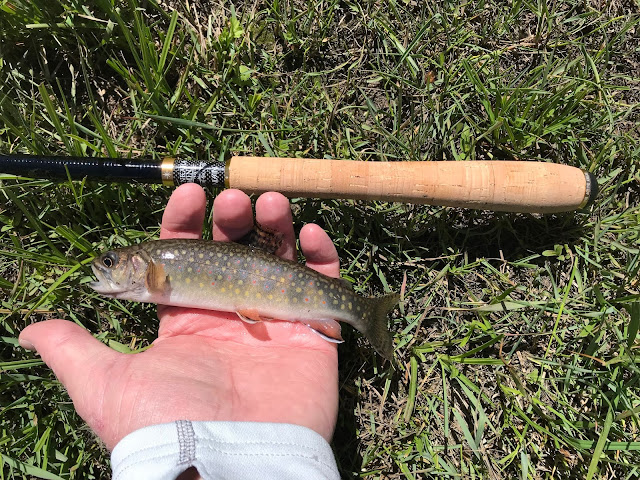
The Tenkara Mini is an enjoyable rod for the sweetest mountain streams.

Tom Davis from Teton Tenkara on the Nissin Tenkara Mini: Casting this rod is fun. It is very lightweight in the hand and has excellent balance. The action is stiffer than most Nissin 7:3 rods that I have felt. Even though the RFI is in the low 6:4 range, the rod feels stiffer than what it measures at. I suspect that might be due to the large number of joints and it's aggressive taper. Still, it's a great casting rod. I used a #3 level fluorocarbon line under breezy conditions, and I had no trouble controlling the line and getting the fly to its intended target.

Mini Nets


I always look to the Japanese for inspiration.

But I am not Japanese, I am an American.

I practice the simple method of Japanese style fly fishing, tenkara. I don't try to be Japanese, but I do enjoy and respect what they do and I enjoy their style of fishing. That being said, I am fishing tenkara, Japanese style, influenced from my own background of western fly fishing.

I see that the west also has influence on the east, many Japanese tenkara experts also practice western fly fishing. I think it is a good thing to do both. I don't do western fly fishing much, I quit to learn tenkara, I will do it again one day, today is not that day.

My non-tamo tenkara nets are Japanese influenced however they are made by a western craftsman with my direction.

My favorite tenkara net is Japanese yet I use western nets that are Japanese influenced.

Confused?

It doesn’t matter.

If you want to learn Japanese tenkara, learn from the Japanese.

There are many tenkara and fly fishing enthusiasts in Japan that size their nets to the size of fish they are catching. They also have many styles of nets. For my version of the mini net, I have taken inspiration from them and have had built, small nets which I have also modified for my own use.

I enjoy a small net because they are easy to pack and carry. They also work well to capture a fish while it is hot (not exhausted) and subdue to remove the hook and immediately release. The nets I use in this form are from Sam Lacina.

Here are a couple I use, the small one I sometimes carry in a front pocket. It is amazing, I have used it on much larger fish than it was designed for.

Zippered Rod Case


As with all of my equipment, I looked to the Japanese for examples of what they used. Early on (2012) by chance I noticed in the background of a Dr. Ishigaki fly tying an interesting looking case that he used to carry his rods. During my visit to Japan in 2013, I shopped for equipment at Sansui and Joshuya and purchased a GETT rod case that I use to this day.


I use the cloth rod sleeves that come with most rods when I store my rods inside the zippered case. They prevent the rods from getting "road wear" from vibration and or movement during transit. The cases are easy to open full length and you can keep the sleeves inside while you are using the rods.

For air travel, I use a luggage tag just in case I get separated from my rods. On one flight back to the states from Narita, Japan, I as asked to check my rods as luggage (no extra charge) which I strongly objected to but lost my battle. The rods rode in the luggage hold with absolutely no damage to them. This was the deciding factor in purchasing more cases to hold the varying lengths of nested rods.

The zippered rod cases from Joshuya branded GETT will not be easy to obtain. They are not readily available by mail order. You may find other cases from brands like DAIWA that may be easier to purchase. Each of my cases where less than $20 USD and have been protecting my rods from all the damages of travel by car or airline.

I highly recommend using them for travel to your favorite stream or halfway around the world.


Minimalism is Everything

Tenkara fishing is simple however the skill behind it is not.

This is the process of how I arrived at the way I practice tenkara.

Use a list to prove to yourself what you use and what you don’t need.

My definition of tenkara is more about skill than the equipment I carry.

The skill in reading water, the approach to a stream, the technique of delivering a fly can be honed razor sharp by using only what we need.

I suggest a process of improving your skill by using a written list. Write it all down, every last piece of what you carry in your kit. Go fishing. When you come back, the things that you didn’t use, cross off. The things that really helped you, circle. Carry the same kit next time and when you get back, cross off the things you didn’t use and again, circle the things that helped you. Now remove the things you crossed off and improve on the things you circled.

You carried two rods but only used one?

Next time use one. (You will learn to protect it.)

It’s a process of identification and elimination.

Use the list until you can do it in your head.

Focus on improving what you use, eliminate what you don’t and do that by being honest with yourself.

Filter your outlook on tenkara through this process.

Why choose minimalism?

Improving your skill in fishing is how you will improve over your lifetime.

Do you really need all that extra stuff?

I bet you use very little out of your kit.

I carry one rod, two lines, a few kebari, a nipper, a hemostat, rod un-stick pads in a small bag and sometimes a net, that’s it. The rod I use is versatile and compact. Each component of my kit is designed to be versatile and useful.

I use a zoom rod to handle a variety of stream types. I carry a long and short line to enhance the diversity of the zoom rod. I use a slightly heavier line to handle a little wind. I developed my own kebari, a style of fly that I use on the surface, wet or sink it deeply with the addition of hidden tungsten bead.

Focus on what works, get rid of unnecessary habits or equipment that you do not use. Move away from the comforts of stuff. Rely on your skill. Improvise in difficult moments, what you need to do with what you have. Minimalism enhances learning new skills. Fishing is about skill.

  1. Carry just what you need.
  2. Focus on improving the things you use the most.
  3. Your fishing skill becomes a process of improvement.

Minimalists are constantly sharpening their fishing skill. People that carry a lot of gear become good at shopping.

You only need what works.

Your skill determines your success.

Improve your skill by efficiency.

p.s. I was asked by Anthony Naples to write an article for his web site, "Casting Around" I have updated that article here. If you liked the article, there are more that go with it, "Wrong Kebari" -  "Casting Practice for Accuracy" - "Lightweight Travel Tips"


Honryu Tenkara

Photo by Siegfried Forster
My tenkara is based in the mountain stream environment yet I enjoy fishing the mainstream. Apparently I am in the same class as many Japanese anglers as they also take their tenkara with them to the river. They use long (4-5m class) single hand rods using tenkara techniques to catch river fish. My experience in fly fishing rivers is long and intense, my practice of mountain valley tenkara is extensive and my honryu tenkara is starting now to develop to the point where I can share it now. I will put down some of my thoughts on setting up my equipment and using it.

Photo by Siegfried Forster 
In my area, I choose a large cold water river that I use my tenkara techniques. My favorite is a tailwater or a bottom release dam on the Colorado River in Northern Arizona. There are other rivers here that contain trout but they are more like large streams in the mountains so I will focus on my practice of honryu tenkara in the Colorado River in Glen Canyon. My access to this river is difficult, there are no roads in the canyon. I travel upriver by backhauling in a larger powered boat, dropping me off to camp and to return the many miles back to the put in by a small but efficient inflatable raft

Photo by Siegfried Forster 
I practice minimalism, only what I need. I may use sasoi, dead drift nymphing, dry fly midges, big cicada presentations and streamer fishing in moving current as well as deep slack water.

For now, I will use this project to gather my thoughts into an organized system and work from there by returning to these thoughts and refining them. I do this with my pack lists up in this canyon by only using what is on the list and striking out items that I do not use and packing again only what is left in the list.

This keeps me focused.

I use only one rod, the Gamakatsu Suimu EX 5m, a long cork handled single hand rod that is exquisitely designed to cast a long level line, I use a #3.5 to have a little "punch" into the swirling canyon winds of the afternoon. The fish in my river are heavily pressured by spin fishers ripping spoons and streamers and also guided fly fishermen as well as adventuring anglers such as myself.

Rigging lines, I always use my little kit 
Part of developing good tenkara skills is making your own equipment. Of course you can purchase nearly all of what you need from the many vendors available however, there is not a lot available that is marketed to this genre of tenkara. So I make my own lines, clear lines which go against the marketing of "lines that you can see" in pink, orange and fluorescent green or bright and muted colors. The fish I am after are pressured and wince at a large pink moving thing above them in the ultra clear water against a sky that has no direct sunlight, the river I am making these lines for is in a thousand foot canyon. Currently, there are no lines for this application.

Seaguar INVIZ X .330mm which equates to #3.5 Valcan
I do use a Fujino Soft Tenkara 7m line but that is rare in this river. If I do not use it this next trip, I will remove it from my kit. This is how I hone what I use, attrition, if it does not get used, it is removed. I also have a light fly line that I use for specialized situations. There are dry fly midge hatches that a fluorocarbon line at length will pull down a tiny size #22 midge dry. So I use a floating line. In the summer, there is a cicada hatch that is incredible to behold and using a fly line for plopping down a large bulky fly works really well. A fly line has demanded it's way into my quiver and I have no problem using it. It even fits into the definition of tenkara in Japan.

I use card spools as they are flat and you can stack them
The bag I use is a little larger than a tenkara strap pack. I have a tenkara box and a highly specialized box of flys that I have developed for this river over decades of fishing it. The tenkara box and the fly box fit into this bag as well as the many different lines and pieces of kit that I use.

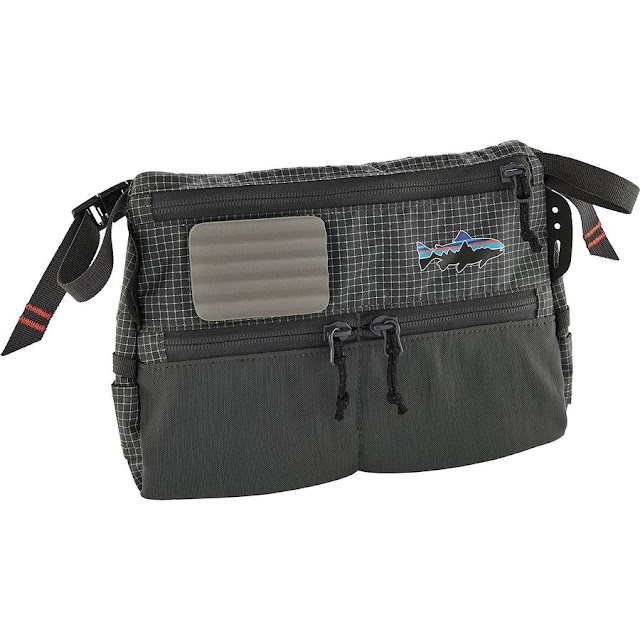
It is funny, the quote I use, "the more you know the less you need" is from Yvon Chouinard and his company, Patagonia offers this "Wader Workstation" bag and it's twice the size of my tenkara bag. What is funny, my tenkara bag is half the size of this bag, I am much more experienced at tenkara in the mountain stream environment. My honryu tenkara is in the intermediate stage and I am still in the research and development throes. I am developing my techniques so I carry more, as my skill is strengthened, I will carry less. Right now, I carry far less into the canyon than I ever have in my 30 years of fishing here. 

I put everything in this kit which I can use as a strap bag or hang on my waders
My kit list is as follows.

Gamakatsu Suimu EX 5m

Seaguar Inviz X .330 7m line (tippet ring) x 2ea
Valcan #3.5 7m
Valcan #3.5 5m with markers
Fujino Soft Tenkara Long Type 7m
Floating Fly Line 8m

Dinsmore tin shot
Nipper on a fly line
Derf Needle Driver

Micro drop floatant (Gink)
Un-stick pads

Trouthunter Flourocarbon 5x - 6x - 7x

Wheatley Medium Black ripple foam fly box and specialized flys
Orvis Waterproof Compartment fly box with specialized flys and kebari

New Zealand indicator kit
Arrow indicator

Patagonia Middle Fork Packable waders
Patagonia Wader Workstation


The primary fish of the Colorado is a couple of different types of Rainbow trout with small numbers of Brown trout and even smaller numbers of Brook trout. There are a few different types of chubs and a couple of types of carp that live in the river. Almost all of the time you will catch two types of Rainbow trout with a rare catch of a Brown.

There are three basic presentations.

Drifting the bottom.
Sasoi in the water colum
Surface type

The techniques I use in the Colorado River in Glen Canyon have been developed from a knowledge of where the trout are depending on the varying flows released from the dam and the time of year or the amount of sunlight that affects the floura and fauna of the area. I choose to break up the year in seasons to make it easy. When I write about fishing there, I tag the title with the month of the year so I can refer to the article to others to know what to expect. Starting with winter, the rainbow trout that are my primary target are in the spawn. The females have made "redds" or depressions in the rocks and gravel and stay there protecting and nurturing their eggs. As we move into spring, the insects are starting to proliferate with huge hatches of midges or tiny black and white flying bugs that are larvae in the water (nymphs) and hatch out of the water. Summer can be a time of terrestrial fishing with grasshoppers and the cicada hatches, fall is a time of the start of the spawn. Through out the year, depending on the flows, there are scuds or tiny fresh water shrimp type bugs, tiny worms and small fish or streamers.

The purpose of this article is to begin separating my writing into the different areas that I practice tenkara, one in the mountains and in the headwaters and two, in the mainstream. I also practice tenkara techniques in ponds and lakes. Although this is not typical moving water, I do use the techniques of the rods and equipment there. 

Patagonia Wader Workstation

Patagonia's Wader Workstation

For the longest time I just used the flap pocket in my waders to hold my minimalist kit of a fly box, spool of tippet, a forcep and a box of Dinsmore tin shot. It was all I needed. But I got sort of fancy and used one of my OR (Outdoor Research) pouches and added in to quick links to attach to the straps of my waders. I could take it off and wet wade. This system is the forerunner to my Kaizen bag.


On a Japanese anglers IG I saw the Patagonia symbol on a bag and started to investigate. Yes, Patagonia has started making them available so I bought one. It's a little bit larger and will hold two of my fly boxes, one for western and the other for honryu.

I will post a few pictures here as I begin to use this bag. I will also detail the contents and the strap I will configure for it as above.


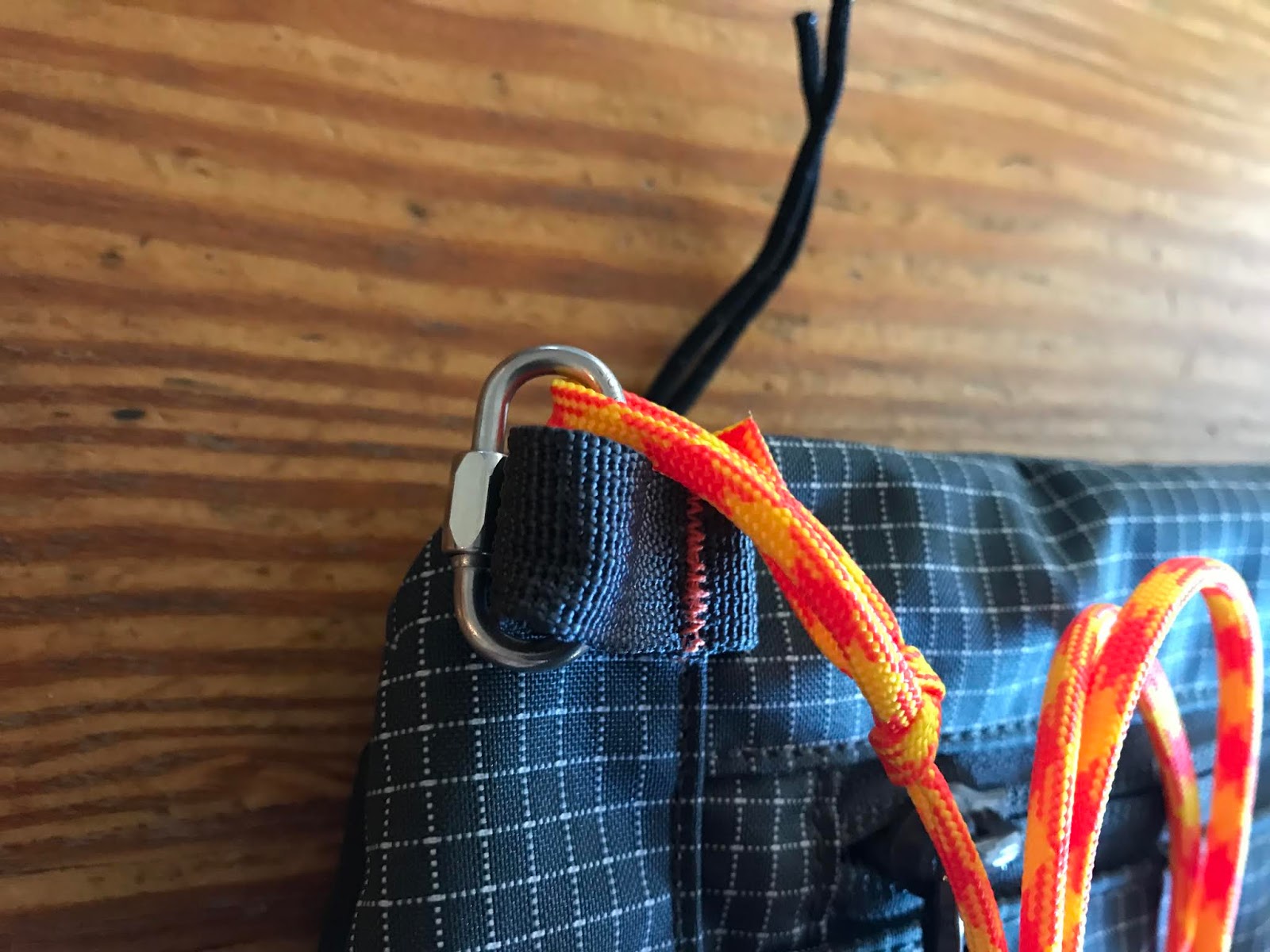
To attach my wader shoulder straps, I use a Mallion Rapide "Quick Link" in stainless steel size 3/32" which is petite yet has a working load of 220lbs and another similar keyring type screw link that can either stay on my waders or keep in the wader workstation.


The idea here is that I can use the bag alone or attach to my waders. This is what I've been doing for years, Patagonia finally just made one and a little bit larger. I can place my tenkara box in it as well as my specialized fly box for tailwaters.


Other Tools for Tenkara Fishing, a Minimalist Approach


I quit fly fishing about ten years ago to learn tenkara. The web site you are reading represents my research, what I found out then, what I practice and new discoveries in my tenkara. When I quit fly fishing small streams, I did not forget the things that worked for me, where the fish were, the knots I used, my bits of equipment that worked to release the fish, forceps, nippers, rigging skills, that sort of thing.

I read a lot about tenkara in all types of media. I research the practices of modern Japanese tenkara anglers as well as the American and other enthusiasts outside of Japan. I compare and contrast against my own practices and I am constantly self reviewing what I use and how I use it.

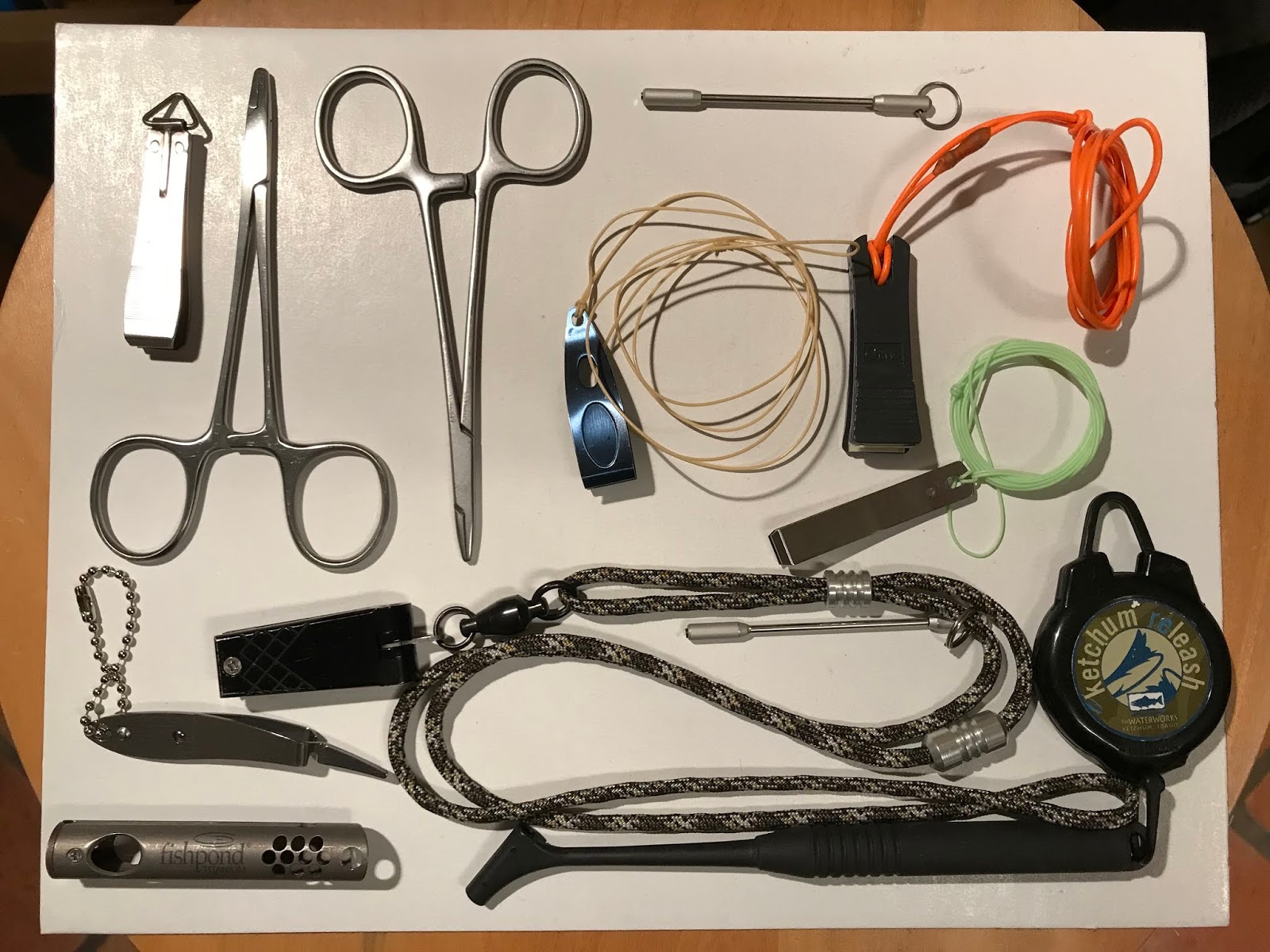
There are a few things that have not changed in my core practice of tenkara, here are a few of the tools that I have been using for many decades.

For reference, here is an article I wrote about 20 years ago called "Minimalist Approach"

In review, I carry far less items than I did back then and at that point, I was very unique. Small stream fly fishing was not popular and a minimalist fisherman? Only my counterparts in Japan did this and it was normal, no one differentiating, certainly no one there wrote about it...

Here are some other things you might be interested in...

Line Rigging and Rod Repair Kit
Travel Tying Kit
Tenkara Minimalist

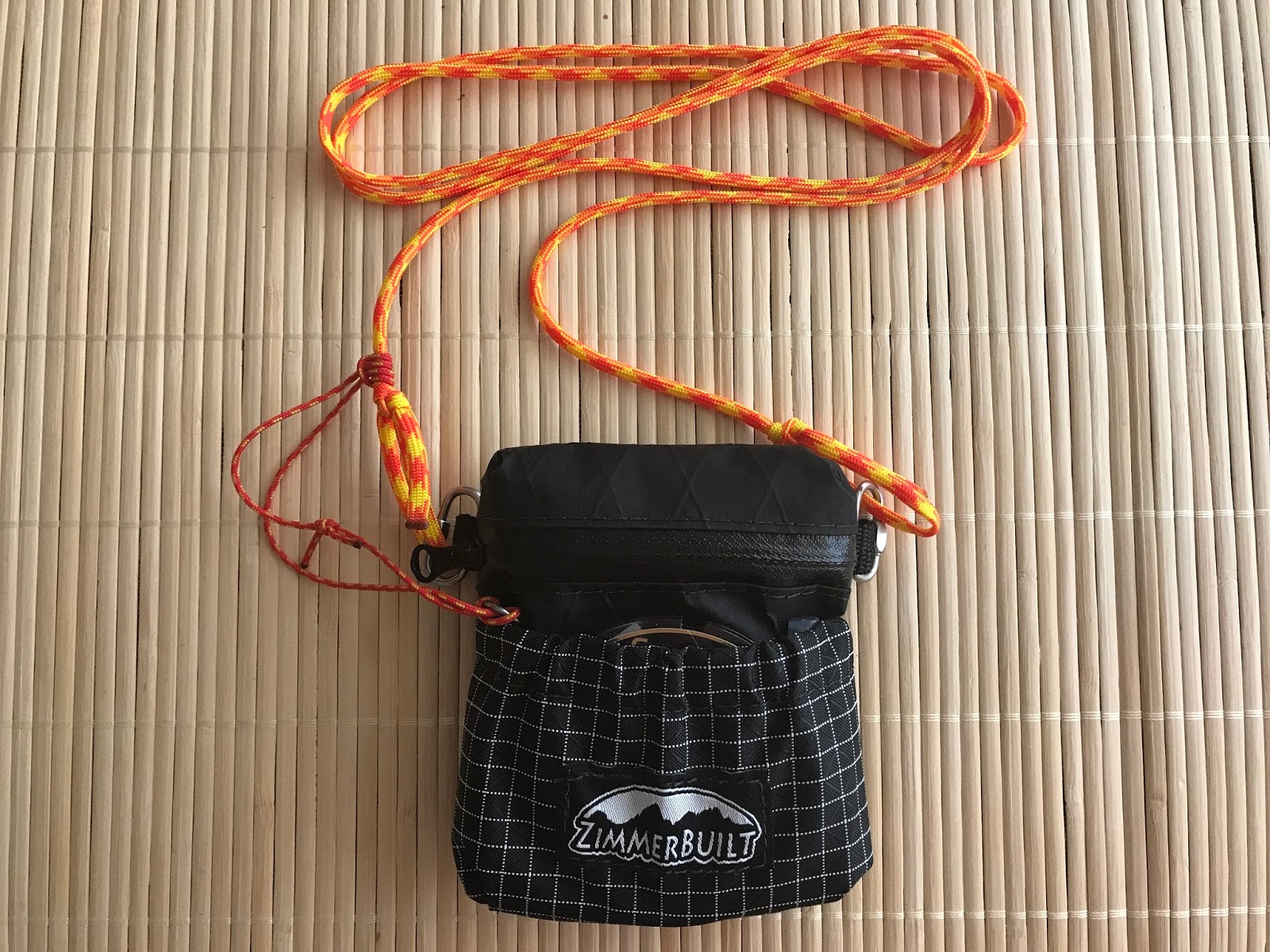
Minimalist: Zimmerbuilt Micro Pack


In my own pursuit of only using what I need, I have found that I really like the Micro Pack that Chris Zimmer produces at his company, Zimmerbuilt. I've worked with Chris to create my own version of a Tenkara pack, the Kaizen and I really like it and enjoy it to this day. But in my effort to really take things down to the minimum, I use the micro pack and this is the evolution for "rod, line and fly" simplicity.

Chris developed the pack to be versatile and easy to integrate into his other products. I like that and I own one of the stock packs that I have used but always go back to my version. In the past, I cut off the attachment parts that I felt I didn't need, then I decided that I did need them and now I'm back to a fully customized pack that is for hanging on a strap.

As a minimalist, whether it be backpacking or tenkara, only what I need so I contacted Chris myself to see if he would customize one of his packs for me and literally in three days, I had it in my hand. I really like it so I decided to purchase and set up all the things that I wanted to have with me. Much of these things were taken from the Tenkara USA strap pack that I've also been using.

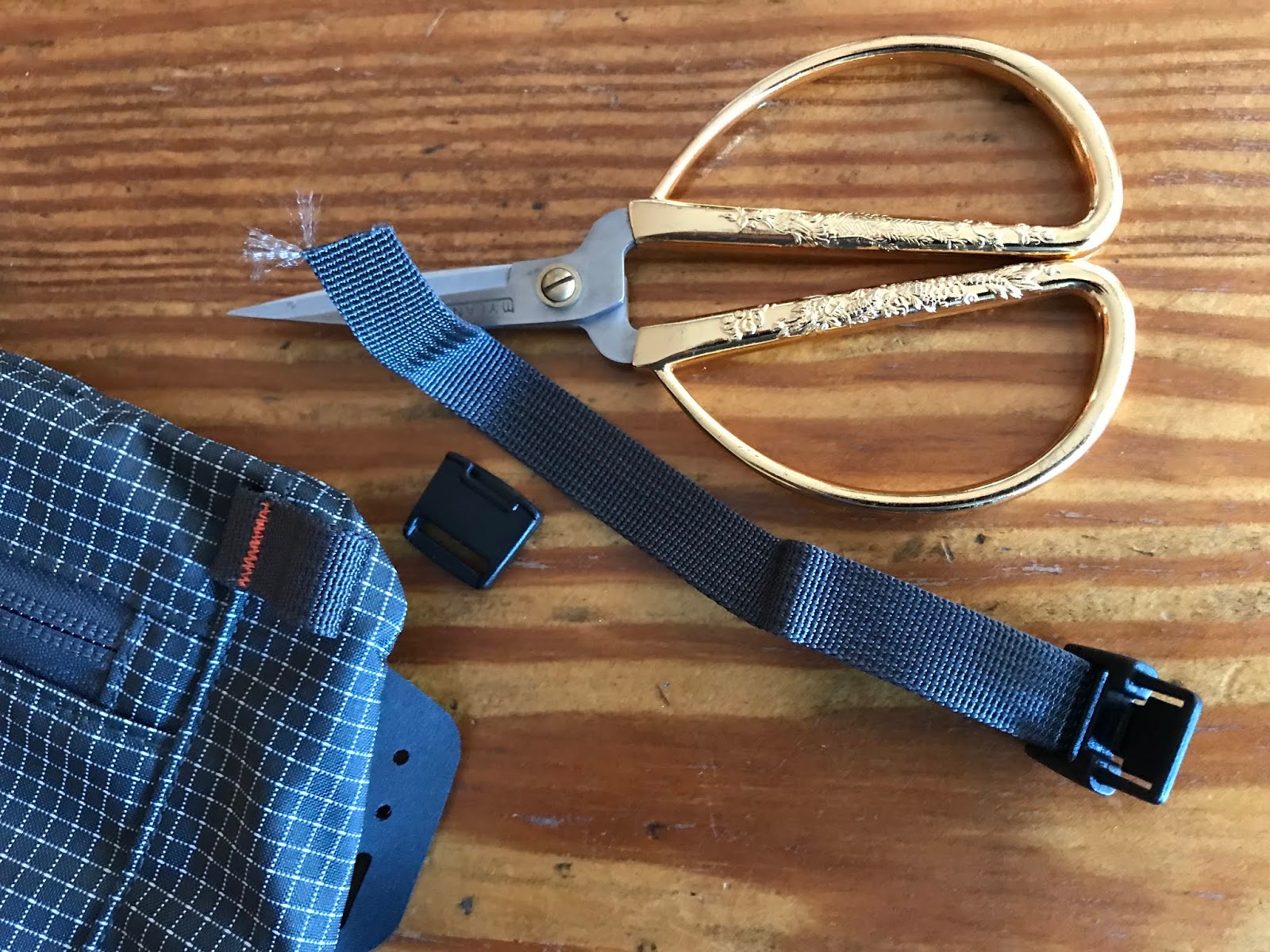
My Zimmerbuilt Micro Pack is highly customized. I had Chris add in a pocket on the back and remove all elastic straps and top nylon loop. 

If you are going to order this pack, ask for configuration like "Adam Trahan from Tenkara-Fisher" or send him this page in a contact e-mail.

List of Pack Accessories

I start out with a length of colored paracord from boredparacord.com This company will let you purchase a short ten foot length instead of purchasing fifty or more feet. I'll purchase a few short lengths in colors I like to see which one I want to use. I take the inside line out of the paracord that I use. I much prefer using just the sheath as it is more than strong enough and if I put a heavy backpack on over my fishing bag or if the shoulder strap gets caught under another gear strap, the flat paracord does not dig into my neck our shoulder.

To attach my para cord shoulder strap, I use a Mallion Rapide Quick Links size 3/32" which is petite yet has a working load of 220lbs.

For the attachment to the para cord to the quick links, I use a bowline knot to produce a loop at the end of the paracord.

For my nippers, I use a short length of Micro Cord 1.18mm from Atwood Rope Mfg. To attach the length of micro cord to the para cord, and to make that adjustable, I use a prussic knot. This knot will slide up and down the length of the para cord and then stop and not move where ever you place it.

List of pack contents
Your pack contents might be close to mine, give or take a couple of items because this pack is really very small. 

Here is a brief discussion on some of my choices.

Having a good set of needle drivers to quickly remove embedded hooks deep in a fish's mouth is necessary for my fishing. I use a petite needle driver called a Derf. I get mine from eBay for about $10 delivered. My original pair is 20 years old and cost a couple of hundred dollars if you were a eye surgeon, I'm not, I'm a cheap fisherman but I like equipment that is designed well. Even the cheapest Derfs will work better than your hemostats but I buy stainless steel ones from Germany off of eBay.

For the floatant I use, I choose a micro drop bottle from Arrowhead Equipment. I personally like Gink Floatant and just squeeze the contents into the micro bottle. I've used the same micro bottle (I like the clear one) fill from a couple of years ago. I don't use a lot of floatant but I do like to have it along. The tiny micro bottle just disappears in the front elastic pocket.

For tippet I use Seaguar GrandMax, it's the best and 6x will protect nearly every rod I use. For my Nissin Mini V3's, I use the same tippet in 7x.

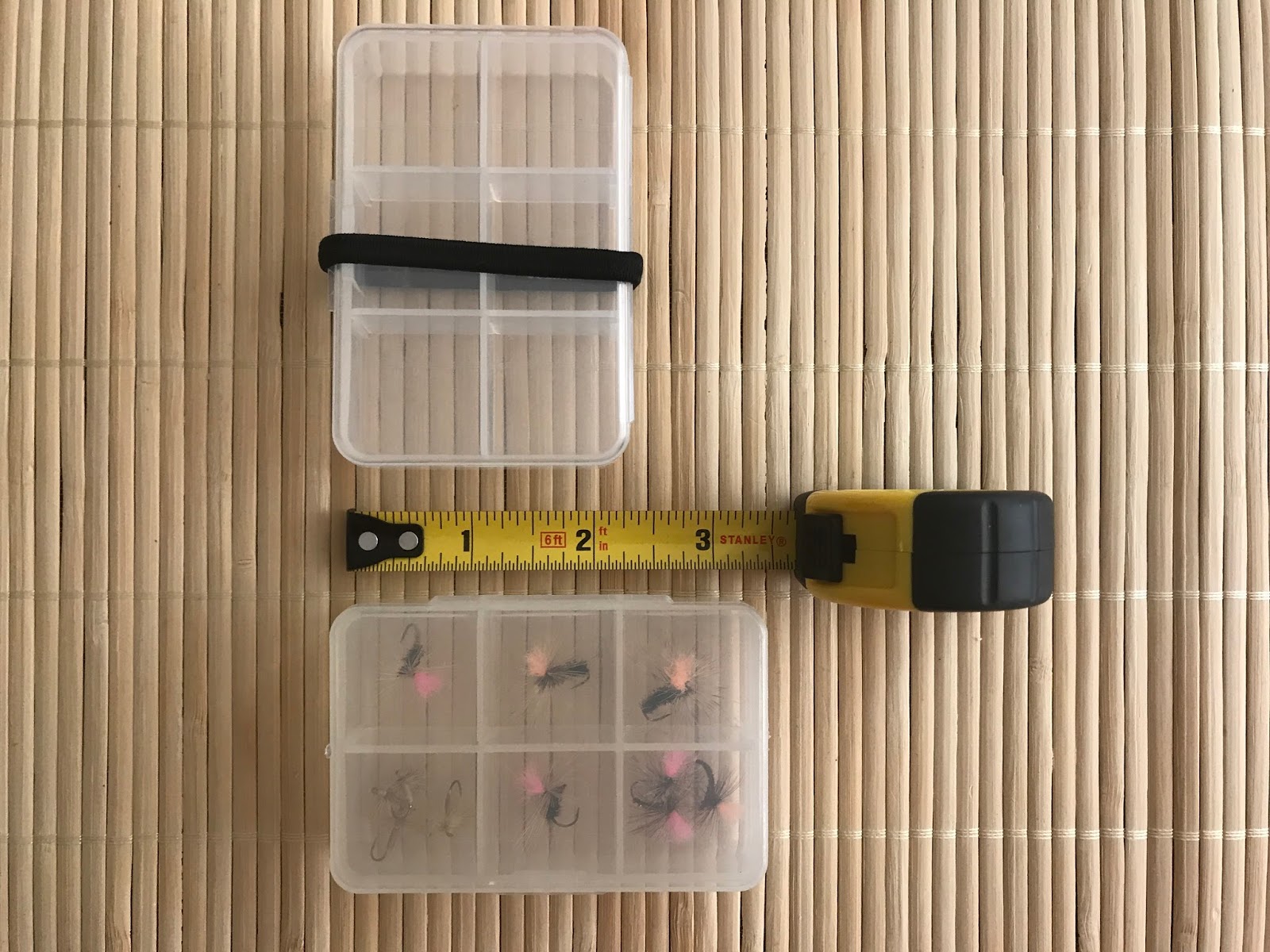
This exercise in minimalism is strictly geared around the small six compartment plastic box that is readily available. Plano makes a version and I have a small stack of them from various trades and gifts from Japanese anglers. The box is small and is able to handle about a couple of dozen flys really packed in, I typically carry 18 or so. I use a hair tie to keep the box from flipping open in the wind of my hands spilling the flys or if I drop it. It is very light an petite. I've never dropped one but the hair tie is probably overkill but it seems like I should have one.

If you are interested in going as light as possible, this is your pack.


ZimmerbuiltKaizen Pack - Sling Lite - Tailwater Pack - Micro Pack
Tenkara USA Strap Pack


Travel Tying Kit


It's funny to me, I've had enough experience with Tenkara to know that it is quite different than fly fishing. There is no comparison to the two in my case here. I've come to understand that some of my best fishing trips didn't start out as planned, they were opportunities that were realized while on a family trip or unrelated travel and they turned out to be epic fishing trips. 

In fly fishing, I either planned a trip and did it or I didn't, off or on, black or white. With Tenkara, and the way I have created a minimalist kit, the potential for a great fishing trip sits in my overnight bag every time, waiting...

Tenkara in itself has been quite a revolution in my fishing. In the past, as a fly fisherman (using western gear) I have had to make conscious decisions to bring my gear and everything that goes with it if I wanted to fish. Fly fishing is gear laden and often it is a hassle to gather the equipment knowing it may not get used. Although my family joins in and supports my fishing, it is not their primary goal on our adventures away from home and just gathering a few things will change the atmosphere of the trip, "Dad, this is not a fishing trip."

But I've figured out how to be prepared for fishing in quite a stealthy way if the opportunity arises and yes, plenty of times, the opportunity presents itself.

In developing my Tenkara travel kit, I have created fishing trips where they did not exist before. My Nissin Mini V3 kit is small and unobtrusive and has actually revolutionized my fishing in many ways. The kit is compact, a non issue. It is no problem to grab it and throw it in my carry on bag knowing that opportunity awaits and if it doesn't get used, it didn't take up any time or space.

When I get to my destination or if I am on the way and the opportunity presents itself? 

I'm there to meet it.

"Oh, hey, wait a minute, I have some free time this morning, I can go fishing at this tailwater, is it really that close?"

"If I get up early, I can drive to this lake and fish the edges..."

Driving to my destination, "What is that under this bridge (in the mountains), I bet it's trout water!"

My wife introduces me to her friend and her husband is a fisherman, "Do you fish?" "Oh, I just happen to have my kit with me..."

Or any of the possibilities that present themselves with travel with and without family. My travel kit is small, my equipment isn't oppressive, its out of the way but it is valid, a very serious kit that has everything I need, nothing more.

It has proven itself because I am a Tenkara Minimalist even when I am fishing my favorite stream or traveling to Japan.

The more you know, the less you need.

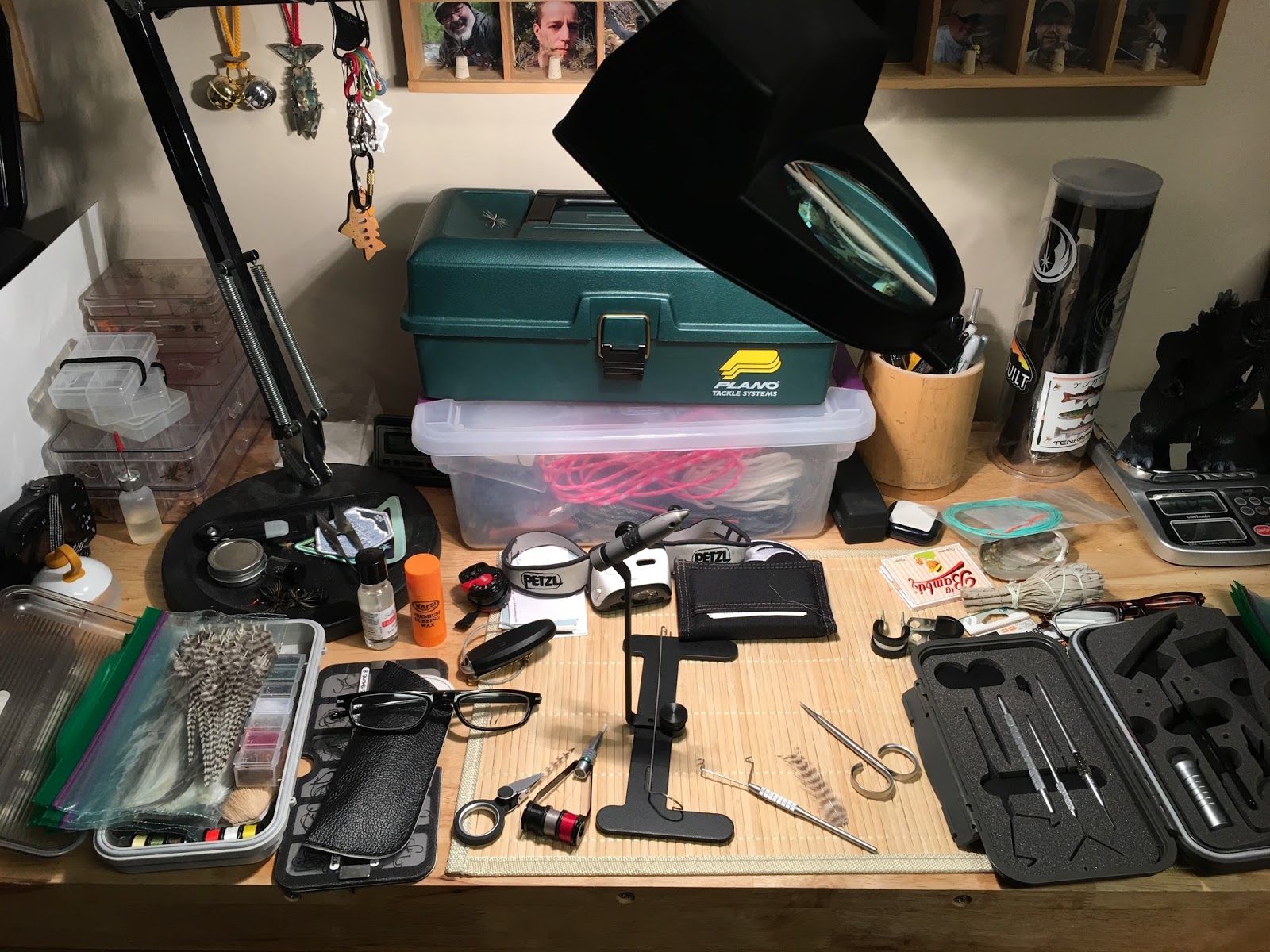
Now I've taken a step forward and have began putting together a fly tying kit that I'll keep with my Tenkara fishing kit. It will be a part of that bag and all of it together will be small, easy and always with me, out of the way...

Here in this article, I will share the development of my tying kit that is geared for more than tying my wrong kebari, I can use it to tye nearly any Tenkara fly (or kebari) that I want.


I've started with a C and F Designs "Marco Polo" vise and tool kit. In researching it, a couple of my online friends have the knock off version. I believe in supporting the people that create a design, if I can so I bought the C and F.

I have no problem with commitment when it comes to equipment that is well designed. It is a pricy little thing but it is complete. I purchased mine from Japan and got a great price. The tools are top quality and now that I have it, I really know this is going to be a primary vice too. I'll probably use it more at home for a year or so to wring it out and get familiar with it as I take it on the road.

This summer's Tenkara Summit will be interesting! Last Summit I took place in a tying contest. I had to borrow a kit and materials but I was fortunate and put together a good kebari and I placed third. I won't be without my favorite gear this time, it will be right along with me.

I'll be ready.

I have the core elements of the kit now. I have not put together the material bag for my feathers and other supplies. I'm working on it now. I don't want to take a lot, just what I need.


The video above shows the Marco Polo designed bag. I'm not sure I need that much. Besides the kit itself, I need feathers, thread, dubbing, wax and cement. The fun problem is figuring out each element to take along. Not what I want to bring, only what I need.


I've decided at this time to keep things minimal and have ordered a C and F DESIGN Multi Case Size L. It is the same case that my kit is in except it has a clear top and it is empty. I have checked the size and I will be able to keep my fly tying glasses, feathers, zenmai, dubbing, cement, wax, extra hooks and everything else that I need. The case is roomy inside but still compact, as in the size of a large fly box.


I purchased a couple of extra spools. Each one holds three colors of thread. You load the thread on the spool with a drill. The spool will hold a whole spool of thread. I like that, you don't have to spend a lot of time loading spools up. We use a lot of thread tying. I got lots of thread. Different colors, small kit.


List of Hook Palet Contents 
  • Owner Super Yamame #7, 7.5, 8 (6ea 7.5 pre-tied loop eye)
  • Gamakatsu R-10B 12
  • Tiemco   103 BL 11 + 13 + 15 - 2499 SP BL 16 - 900 BL 12
Choosing hooks was easy, I just loaded up hooks that I use. My bait hooks are in there and my Ishigaki style fly hooks too. I left a couple of bins open for hooks that I get from people or for pre-made loop eye that do not get tied.


I use a miniature 7 day pill container for dubbing. A little dubbing goes a long way. My reading glasses will go into the kit as well. For travel, I just put in my Dollar (General) 2.00 magnification readers. I'm going to try "Sally Hansen Hard as Nails" for glue/coating. The bottle is small and the tyers rave about it. I pulled out the brush fibers and replaced that with a needle, the bottle is tight lidded and does not leak. With the Hard-as-nails I have glue and coating if I want. It is just about the only "new" thing I'm going to try in my kit.

My dollar store magnifiers are sweet. I can see through them clearly, the case fits inside the tying kit nicely and if I lose or break them? One dollar.


Plucking feathers was good, you spend time grading what you want to the kit, shove them in "snack" baggies, extra thread spools, silk bead cord #2, just the basics, just what I use. A complete materials kit in a large fly box.


List of Contents
  • Dun Metz Dry Fly Neck #2
  • White Metz Dry Fly Neck #2
  • Grizzly Metz Dry Fly Neck #2
  • Brown Metz Dry Fly Neck #2
  • India Hen (Soft Hackle) Brown
  • Peacock Herl
  • Dubbing x 7ea (variety of Ice)
  • Zenmai from Sebata-san Clan
  • Silk Bead Cord #2 (red and black)
  • Extra Multi Spools x 2ea (9 colors of thread)
  • Small Elk Hair patch
  • Rattlesnake Skin
  • Mamushi Skin
  • Dubbing Wax
  • Sally Hansen "Hard as Nails"
  • 2.00 Reader Glasses
I added in a hook I've been wanting to try. It's a ultra sharp fine wire bait hook. I'm thinking that this one will really give some great action being light and penetration from being fine wire.

The pack is small and flat so it just lays on the bottom. If I like this hook, I'll start buying it in more sizes to find the sweet spot.

I may add in a Gamakatsu bait hook too.

The kit is in flux, I hope it always be.

I'm going to experiment with it, use it as my primary tool set to make my kebari. So I'll need to have some projects in there like I have in my house vise.

I also plucked some size 14-16 size feathers. I think the smallest hook in my kit is a 15 and 16. Most are size 7.5 (Japanese bait hook size) but I need to be able to tye up some 16's for smaller fly days.

Anyway.

It all goes in there with room to spare. I'm super impressed with the quality of the Marco Polo kit and the materials storage box is just the same.


My first Ishigaki style kebari from my kit. I pulled out a half dozen from my last session tying them and it's right there with those, I put it in the fly box and it disappeared with the others.

I'm totally happy with the kit. I have quite a variety of materials that I can pretty much tye any Tenkara fly that I have used and I added in a little Elk Hair patch so I can tye up kebari out of Hiromichi's book, "Modern" (Contemporary) Tenkara. I dig the patterns in that book. As a matter of fact, the book is filled with wise knowledge of Tenkara. If I were starting a Library of Japanese Tenkara books, this is a must have and would be a great start.

Anyway, the kit is set. The next time I visit this page and update it will be when the kit is on the road somewhere. 

I designed this fly for deep water nymphing at the beach
I've had the kit for a few months now and have used it enough to know that I will begin to use it as a primary tying kit. I've dismantled my big toolbox tying kit and traded it in for a storage box. I've kept my old vise for teaching and for times where I'm just tying in big numbers. I could use my travel vise for that except, it is a little more tedious with the dual tightening knobs, I would rather wear out the cam on my home vise.

I'm slightly worried about traveling with the scissors, I'll find out very soon as I get on the plane to go to Colorado.

2017 Tenkara USA Summit Kebari Tying Night

Close up of my area, I was between JP and Rob
Tying at the Tenkara USA booth at the 2018 Sowbug Roundup, Mountain Home, Arkansas